
Can Stress Trigger Psoriasis?
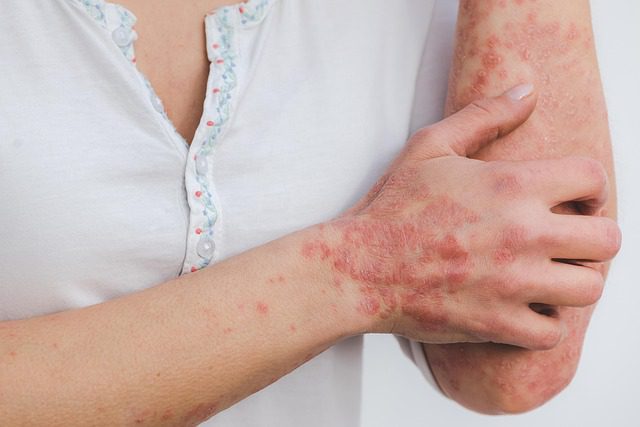
If you’ve ever noticed your stress and psoriasis symptoms worsening during a particularly stressful period, you’re not alone.
The relationship between stress and psoriasis is well documented, with stress often reported as one of the most common triggers for flare-ups. While stress doesn’t cause psoriasis itself, research suggests it can influence inflammatory pathways involved in the condition, potentially making symptoms worse or increasing the likelihood of a flare.
Stress and Psoriasis: What’s the Connection?
Psoriasis is a chronic inflammatory condition driven by an overactive immune response. Genetics play an important role, but environmental factors can influence how the condition behaves.
Stress is one of those factors.
Research has shown that psychological stress can activate systems within the body that influence immune function and inflammation. Because psoriasis is already associated with increased inflammatory activity, this may help explain why stressful periods often coincide with flare-ups.
In fact, a systematic review published in the British Journal of Dermatology found a significant association between psychological stress and psoriasis onset or exacerbation.
How Does Stress Affect Inflammation?
When we experience stress, the body activates the hypothalamic-pituitary-adrenal (HPA) axis and releases stress hormones such as cortisol.
In the short term, this response is normal and helpful. However, chronic stress may disrupt normal cortisol signalling and contribute to increased production of inflammatory chemicals involved in immune responses.
Researchers believe this may be just one of the mechanisms linking stress and psoriasis activity.
Stress Doesn’t Just Mean Emotional Stress
When most people think of stress, they think about work pressures, family responsibilities or major life events.
However, the body can also experience physiological stress from factors such as:
- poor sleep
- chronic inflammation
- illness or infection
- blood sugar fluctuations
- overtraining
- nutrient insufficiencies
For many people with psoriasis, addressing these underlying stressors may be just as important as managing emotional stress.

Struggling To Identify Your Psoriasis Triggers?
Nutrition, sleep, stress, gut health and inflammation can all interact in complex ways. Book a free discovery call to explore whether personalised nutritional therapy could help you better understand your symptoms.
Can Reducing Stress Improve Psoriasis?
Stress management isn’t a “cure” for psoriasis, but it may help reduce the frequency or severity of flare-ups for some people.
Research suggests that approaches such as mindfulness, relaxation techniques and psychological support may be beneficial when used alongside appropriate medical care.
From a Nutritional Therapy perspective, supporting sleep, blood sugar balance, gut health and overall resilience may also help reduce the body’s stress burden.
The Bottom Line
Stress doesn’t cause psoriasis, but it can act as a trigger that amplifies inflammation and increases the likelihood of flare-ups.
Understanding the connection between stress, the immune system and inflammation can help you take a more holistic approach to managing psoriasis. Alongside medical treatment, addressing factors such as sleep, nutrition and stress resilience may play an important role in supporting long-term skin health.
Looking for Personalised Support?
If you’re living with psoriasis and feel that stress, diet, digestive health or other lifestyle factors may be influencing your symptoms, Nutritional Therapy can help you explore these connections in a structured and evidence-informed way.
At Nutrition by Emma, we take a personalised approach, recognising that psoriasis is rarely driven by a single factor. Together, we can investigate potential triggers, support overall health and develop realistic nutrition and lifestyle strategies that fit your individual needs and goals.
Whether you’re newly diagnosed or have been managing psoriasis for years, we’re here to help you better understand your body and build a sustainable plan for long-term wellbeing.
Ready to take the next step?
Book a free discovery call here to discuss your symptoms, challenges and goals, and find out whether personalised nutritional therapy could be right for you. Or email on emma@nutritionbyemma.co.uk
References
Snast I, Reiter O, Atzmony L, et al. Psychological stress and psoriasis: a systematic review and meta-analysis. British Journal of Dermatology. 2018;178(5):1044–1055.
Yang H, Yang H, Zheng J. Influence of stress on the development of psoriasis. Clinical and Experimental Dermatology. 2020;45(3):284–288.
Lazaridou E, et al. The Brain–Skin Axis in Psoriasis—Psychological, Psychiatric, Hormonal and Dermatological Aspects. International Journal of Molecular Sciences. 2022;23(2):669.